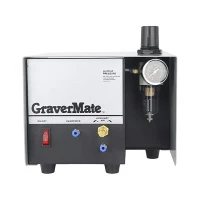
As jewelry manufacturers place greater emphasis on precision and consistent finishing quality, engraving and polishing machines have become essential equipment in jewelry production. Their operating condition directly affects machining accuracy, surface quality, productivity, and workplace safety. A structured maintenance routine that includes regular cleaning, component inspections, and scheduled servicing can help keep these machines operating reliably and extend their service life.
Routine cleaning is the foundation of effective maintenance. Engraving and polishing operations can generate metal particles, abrasive debris, and polishing residue. If these materials accumulate around ventilation openings, machine surfaces, or moving components, they may interfere with cooling and affect performance. After each use, switch off the machine and disconnect the power supply before removing dust and debris with suitable cleaning tools. Prevent liquids from entering the motor, switches, or other electrical components.
Inspecting critical components helps prevent equipment failure. Before operation, check the power cord, switches, collet, grinding attachments, and drive shaft for damage, looseness, or excessive wear. Machines equipped with flexible drive shafts also require attention to shaft condition and connection points. Excessive bending may affect power transmission or damage the shaft. Always ensure that engraving bits and polishing attachments are compatible with the machine and securely installed according to the manufacturer's instructions.
Schedule maintenance according to operating frequency. Equipment used frequently may require more regular inspections. Pay particular attention to unusual motor noise, excessive heat, vibration, and the stability of tool-holding components. Lubrication requirements for bearings and drive mechanisms should follow the manufacturer's recommendations. Using unsuitable lubricants or applying them unnecessarily may cause problems. If the machine develops abnormal noise, pronounced vibration, or persistent overheating, stop operation and arrange a professional inspection when necessary.
Proper operating practices help extend equipment life. Select suitable speeds, tools, and operating pressure according to the material and the task. Avoid prolonged overloading, which can accelerate wear and reduce machining consistency. Always switch off the machine and disconnect the power before replacing attachments or performing maintenance. Operators should also use appropriate eye protection, respiratory protection, and other personal protective equipment based on the materials being processed.
Manufacturers and workshops can further improve equipment management by maintaining service records that document cleaning, component replacements, repairs, and inspection dates. These records make it easier to identify recurring issues and plan preventive maintenance.
Overall, effective maintenance covers every stage of equipment use, from pre-operation inspections to post-use cleaning and scheduled servicing. By following consistent procedures and addressing problems promptly, jewelry workshops can reduce equipment downtime, maintain finishing quality, and support safer, more efficient production.